


Pass The Sauce
About Us
Growing up as an Iranian kid in New York, our dinner table always featured sumac. While other families reached for salt and pepper, I reached for sumac, and my grandmother had a beloved ritual of combining generous spoonfuls of sumac with hot water to make tea.
Over the years, my quiet infatuation with sumac blossomed into a daily passion. I began sprinkling its bright, tangy, lemony zest over chicken, beef, rice, fresh salads, eggs, sandwiches and essentially everything I ate. Its vibrant flavor had the remarkable ability to elevate even the simplest dishes into something extraordinary.
As I grew older, I started to wonder: why wasn’t sumac as ubiquitous as other beloved global spices? The answer, I realized, was simple. Sumac had simply never received the formal introduction it deserved.
But the time has come. With its stunning color, complex tartness, and remarkable versatility, sumac is poised to become a staple in kitchens across America and around the world, much like other once-exotic spices that found their rightful place in global cuisine.
All it needs is the right introduction… and perhaps one unforgettable sauce.
What is Sumac?
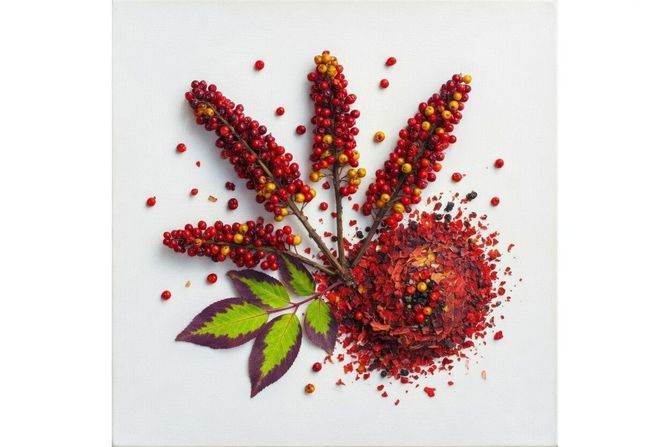
Sumac powder is crafted from the vibrant, tart berries of the sumac plant—a resilient wild shrub (or small tree) belonging to the Rhus genus in the cashew family. These ruby-red berries grow in striking, upright clusters atop the plant's branches, following its delicate greenish-white flowers.
Native primarily to the sun-drenched hillsides of the Mediterranean region, sumac also thrives in temperate and subtropical climates across parts of Africa, Western Asia, and North America. In the wild landscapes of North America, species such as staghorn and smooth sumac have long been cherished by Indigenous peoples, who crafted refreshing, tangy beverages from the berries—often called “sumac-ade” or Indian lemonade—for both nourishment and traditional healing.
Beyond its culinary allure, sumac is celebrated as a true superfood. Rich in bioactive compounds, it offers a remarkable range of potential health benefits, including antioxidant, anti-inflammatory, anticancer, cardioprotective, antidiabetic, and neuroprotective properties. Its bright, lemony tang not only elevates everyday dishes but also brings a touch of ancient wisdom and vibrant wellness to the modern table.
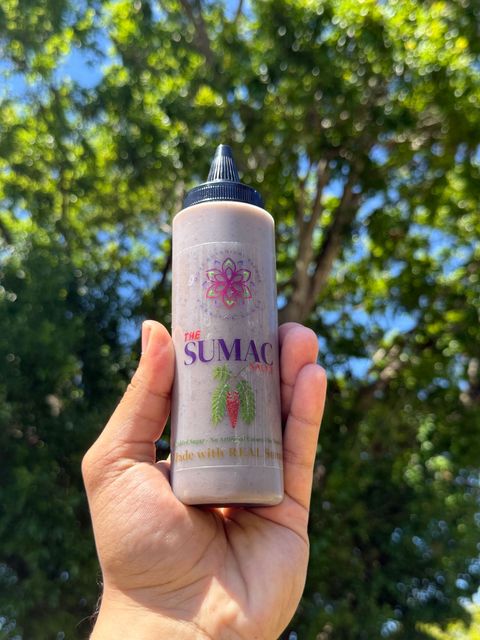
The Sumac Sauce
Imagine a sauce that is vibrantly tart, delightfully sour, subtly lemony, with delicate floral notes and a whisper of natural sweetness — all while remaining remarkably low in calories and packed with goodness.
This versatile, one-of-a-kind sauce delivers a bright, addictive flavor that will captivate your palate from the very first taste. Whether you're elevating a simple, everyday meal from mediocre to memorable or transforming an already good dish into something truly extraordinary, it brings a burst of excitement and sophistication to your table.
Crafted for everyone who loves great food without compromise, our sumac sauce is the secret weapon of home cooks, professional chefs, fitness enthusiasts, bodybuilders, food connoisseurs, and dedicated sauce lovers alike. Delicious, wholesome, and irresistibly versatile — it’s the sauce that makes healthy eating feel indulgent.
Remarkable Health Benefits of the Ancient Superfood
Sumac, a vibrant and tangy spice derived from the dried fruits of theRhus coriaria
tree, has been treasured for millennia in traditional medicine across the Mediterranean, Middle East, and beyond. Ancient Greek medicinal texts first documented its potent antiseptic properties, while folk practices employed it to address ailments ranging from liver disorders and diarrhea to urinary tract issues and gastrointestinal ulcers. Today, modern research continues to unveil its impressive therapeutic potential, positioning sumac as a nutrient-dense superfood with multifaceted benefits for metabolic, cardiovascular, and overall wellness.
Nutritionally, dried sumac fruit offers a balanced profile: approximately 6–11.8% moisture, 1.0% essential oils, 2.3–2.6% protein, 14.6–22.15% fiber, 1.5–2.66% ash, along with substantial water-soluble extracts (around 63.8%) and fatty oils (17.4%). It is also a notable source of vitamins A, C, and B-complex, which act synergistically as antioxidants to combat inflammation and support immune resilience against both acute and chronic conditions.
At the heart of sumac’s prowess lies its exceptional antioxidant capacity. Rich in bioactive compounds such as tannins, anthocyanins, flavonoids, polyphenols, and organic acids, sumac ranks exceptionally high on the ORAC (Oxygen Radical Absorbance Capacity) scale—reportedly reaching values as high as 312,400 μmol TE/100g in certain preparations. These powerful antioxidants neutralize harmful free radicals, helping to mitigate oxidative stress that contributes to aging, cancer, heart disease, and neurodegenerative conditions.
Key Health Benefits
Powerful Anti-Inflammatory Effects
Sumac stands out as one of the most potent anti-inflammatory spices available. Its diverse array of plant compounds, including polyphenols and flavonoids combined with vitamins A and C, effectively reduce markers of inflammation such as high-sensitivity C-reactive protein (hs-CRP). Clinical studies suggest that regular supplementation can lower pro-inflammatory cytokines, offering relief from chronic inflammation linked to various metabolic and age-related disorders.
Digestive and Gut Health
High in dietary fiber, sumac promotes healthy digestion, supports a balanced gut microbiome, aids blood sugar regulation, and contributes to stable energy levels. Traditional applications for diarrhea and gastrointestinal distress are complemented by its anti-inflammatory and antimicrobial effects, which may soothe the digestive tract.
Blood Sugar Regulation and Antidiabetic Support
Sumac shows promising potential in promoting balanced blood glucose levels and improving insulin sensitivity. In individuals with type 2 diabetes, daily consumption of sumac powder (e.g., 3g for three months) has been associated with significant reductions in fasting blood sugar, HbA1c, insulin levels, and insulin resistance, alongside enhancements in total antioxidant capacity. Animal studies further demonstrate lowered glucose and cholesterol levels, with increased leptin, supporting its role in managing diabetes and related complications.
Cardiovascular Protection
Rich in bioactive compounds, sumac contributes to heart health by improving lipid profiles and vascular function. Human trials indicate notable reductions in total cholesterol, LDL-cholesterol, triglycerides, systolic and diastolic blood pressure, and body mass index (BMI), while sometimes increasing beneficial HDL-cholesterol and flow-mediated dilation. These effects, combined with its antioxidant and anti-inflammatory actions, may help lower overall cardiovascular risk, including in patients with hyperlipidemia or metabolic syndrome.
Weight Management and Metabolic Health
Beyond blood sugar and lipids, sumac supports healthy weight management. When combined with a calorie-restricted diet, it has helped reduce body weight, BMI, waist circumference, visceral fat, and body fat percentage in overweight or obese individuals. Its potential to inhibit pancreatic lipase and modulate oxidative stress further aids in addressing obesity-related concerns.
Neuroprotective and Ocular Benefits
Emerging research highlights sumac’s ability to protect neural tissues. Ethanolic extracts of the fruit have demonstrated neuroprotective effects in retinal ganglion cells, reducing serum-deprivation-induced cell death and preserving levels of glutathione S-transferase (GST) and glutathione (GSH). This suggests potential applications in safeguarding against retinal degeneration and broader neurodegenerative processes driven by oxidative stress.
Antimicrobial, Antifungal, and Dental Protection
Sumac’s essential oils and extracts exhibit strong antimicrobial activity against a range of pathogens, including Pseudomonas aeruginosa, Escherichia coli, Staphylococcus aureus, and Bacillus subtilis. It also combats fungi such as Aspergillus flavus. In dental applications, these properties help inhibit caries-causing bacteria (e.g., Streptococcus mutans), improve oral hygiene, and extend the shelf life of refrigerated foods by enhancing bacteriological quality. Traditional uses for mouth and throat conditions align well with these findings.
Anticancer and Cellular Protection Potential
The high concentration of polyphenols and flavonoids in sumac underpins its anticancer properties in preliminary studies. These compounds may inhibit cancer cell proliferation, induce protective mechanisms against toxins, and reduce inflammation-linked tumor promotion. While more research is needed, sumac’s ability to scavenge free radicals and modulate signaling pathways (such as NF-κB) positions it as a supportive agent in cellular health and cancer prevention strategies.
Additional Supportive Benefits
- Muscle Pain Relief: Sumac has been linked to reduced muscle soreness and antinociceptive (pain-relieving) effects, likely due to its anti-inflammatory compounds.
- Liver and Overall Detox Support: Antioxidant activity and improvements in metabolic markers suggest hepatoprotective qualities, with potential benefits in conditions like nonalcoholic fatty liver disease.
- Immune and Anti-Aging Effects: By bolstering total antioxidant capacity and reducing oxidative damage, sumac may enhance immune function and help slow visible and cellular signs of aging.
Sumac’s broad spectrum of benefits—spanning antioxidant, anti-inflammatory, antidiabetic, cardioprotective, neuroprotective, antimicrobial, and anticancer activities—stems from its rich phytochemical diversity, including hydrolysable tannins, phenolic acids, anthocyanins, and organic acids.